
Lung Cancer Canada

Understanding Lung Cancer

Search this website

Anyone with lungs can develop lung cancer.

Awareness is the first step toward earlier diagnosis.

Some symptoms can be subtle or easy to dismiss. A cough that lasts more than three weeks, persistent shortness of breath, or unexplained fatigue should be discussed with a healthcare professional.

While lung cancer is often associated with certain risk factors, the reality is that people from many different backgrounds and life experiences are diagnosed with lung cancer every year. Because of this, symptoms may sometimes be overlooked or attributed to other conditions.

Understanding the possible signs of lung cancer, learning about screening programs, and becoming familiar with available treatment options can help people recognize when something may be wrong and seek medical advice sooner.

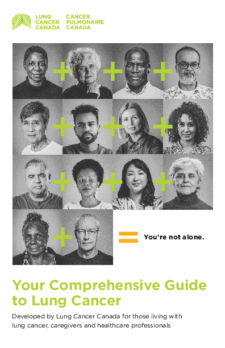
This section provides clear, trusted information about lung cancer — including symptoms, screening, treatment options, and resources to support patients and families across Canada.


What is lung cancer?

Lung cancer develops when abnormal cells in the lungs grow uncontrollably and form tumours that interfere with normal lung function. Over time, cancer cells may spread to other parts of the body.

There are two main types of lung cancer:

  1. Non-small cell lung cancer (NSCLC)
    The most common type and accounts for the majority of lung cancer diagnoses.
  2. Small cell lung cancer (SCLC)
    A less common type that tends to grow and spread more quickly.

Advances in research and treatment are improving outcomes for many people diagnosed with lung cancer.

Learn more about lung cancer

Symptoms of lung cancer

Symptoms of lung cancer can vary and are sometimes mistaken for other conditions. If symptoms persist or worsen, it is important to speak with a healthcare professional.

Possible symptoms may include:

  • a cough that lasts more than three weeks
  • shortness of breath
  • chest pain
  • coughing up blood
  • unexplained fatigue
  • unexplained weight loss
  • repeated lung infections

Not everyone with lung cancer experiences the same symptoms. If something does not feel right or symptoms continue, speak with your doctor.

Learn more about lung cancer symptoms

Persistent cough?
Don’t ignore it.

If you have a cough that lasts more than three weeks, speak with a healthcare professional.

Screening and early detection

Detecting lung cancer earlier can improve outcomes and expand treatment options.

Lung cancer screening programs are expanding across Canada and typically use low-dose CT scans to detect lung cancer at earlier stages in people who may be at higher risk.

Screening can sometimes identify lung cancer before symptoms appear.

If you believe you may be eligible for screening or have concerns about your risk, speak with your healthcare provider.

Learn more about screening

Treatment options

Treatment for lung cancer depends on many factors, including the type of cancer, the stage of the disease, and the individual’s overall health.

Common treatment approaches include:

  • surgery
  • radiation therapy
  • chemotherapy
  • targeted therapies
  • immunotherapy

Many individuals today also benefit from biomarker testing, which helps doctors identify treatments based on the biology of the cancer.

Research continues to improve treatment options and outcomes for people living with lung cancer.

Learn more about treatment options

Stories of inspiration

Every lung cancer journey is unique. Hearing from people who have experienced lung cancer can help others better understand the realities of the disease and the importance of awareness and support.

Read stories of inspiration

IMG 8656
Michael Fader boat

Support for patients and families

A lung cancer diagnosis can affect every part of a person’s life. Lung Cancer Canada provides trusted information and resources to support patients and families navigating diagnosis, treatment, and survivorship.

Find support

Lung cancer doesnt care 3

Stay informed

Receive updates about lung cancer awareness, research advances, advocacy initiatives, and patient resources from Lung Cancer Canada.

Join thousands of Canadians helping improve outcomes for people affected by lung cancer.

Subscribe to the Connection newsletter

Help change the future of lung cancer

Lung cancer remains the leading cause of cancer death in Canada.

Lung Cancer Canada works across the country to improve outcomes for those impacted by lung cancer through advocacy, research, education, and support programs.

Donate now

Your support helps:

  • improve access to life-saving treatments
  • advance research and innovation
  • support individuals and families across Canada
  • improve awareness and earlier diagnosis

Together, we can help ensure that more people affected by lung cancer receive the care and support they need.